

design + construction
The Process
The process of Design + Construction is a complex journey full of complicated decisions, permitting requirements, regulations, and unforseen challenges to be worked through. An architect is well aquainted with this process and can offer valuable insights and direction in every step along the way.

These steps may come in slightly different orders and overlap a bit but all are necessary to completing the process of bringing a building into the built environment.
select a designer
Good design can add a lot of value to your project so finding the right design talent is an important step. An experienced architect is not only well versed in various design considerations but also has experience navigating the entire process of seeing a project from design through completion of construction. Selecting the right designer to help you navigate these waters will go a long way in making this process an enjoyable and fulfilling experience.
Architectural Design Considerations
Your Project Goals
Form + Function
Building Performance
Sustainability
Architectural Style
Budget + Bldg Costs
Project Schedule
Site Design + Bldg Orientation
Mech, Elect, Plumb Systems
Structural Systems
Experience of Spaces
Efficiencies
Building Envelope
Views + Sightlines
Click to learn more about the services we provide
Day-Lighting
Detailing + Constructability
Building Code Requirements
Zoning Requirements
Site Features
Acoustics
Mobility + Accessibility
find a site
Site Considerations
The building site will have a huge influence on the design of your project. We are well acquainted with the many factors of a site that impact the design such as:
Zoning + Building Code
Land Use Requirements
Minimum Setbacks
Allowed Building Height & Size
Other Requirements of the Local Jurisdictions
Solar orientation + Daylighting
Views and Sightlines
Topography and Slopes
Existing Building Analysis
If you are purchasing an existing building to retrofit for your project, we are also familiar with the complex requirements of adapting an existing building to a new use and can inform you of the complications and requirements of making adjustments to an existing building.

design process
Design & Documentation
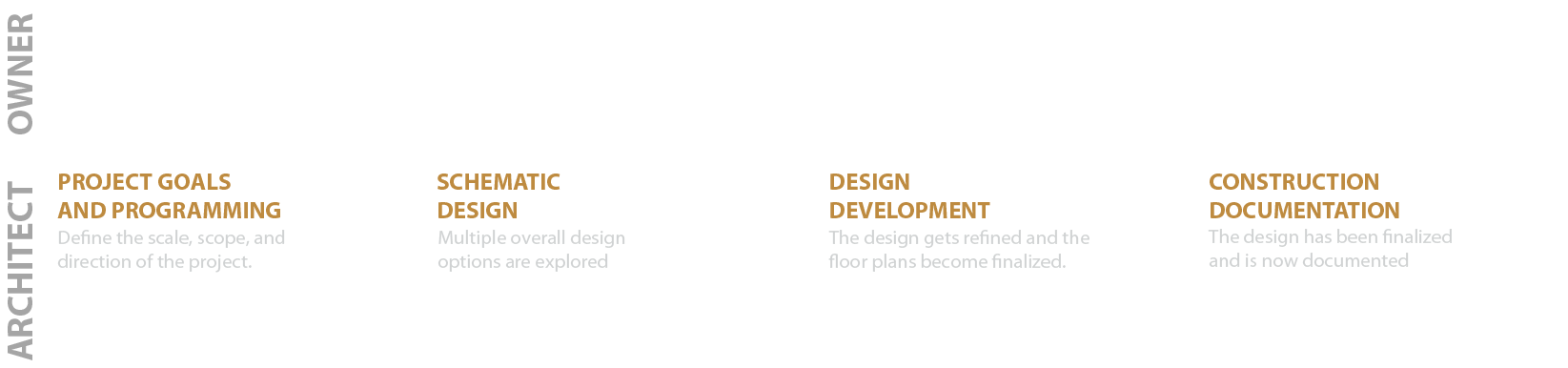
Unlike cars, buildings are often a ground up design or require major modifications every time. No two sites, owners, or cities are the same and each brings specific requirements to the table. We think this makes architecture pretty awesome, but it also necessitates a bit of exploration, work, and rework to arrive at an acceptable design solution.

jurisdictional approvals
All projects fall within various jurisdictions
Federal
State
County
City
Neighborhood (HOA, CC&Rs, Etc)
Each of these will impose requirements for getting your project approved for construction. We are very familiar with jurisdictional approval processes and the requirements that need to be met throughout the design process for obtaining the permits that are required and will work with you to ensure that all necessary approvals are applied for and received for your project.
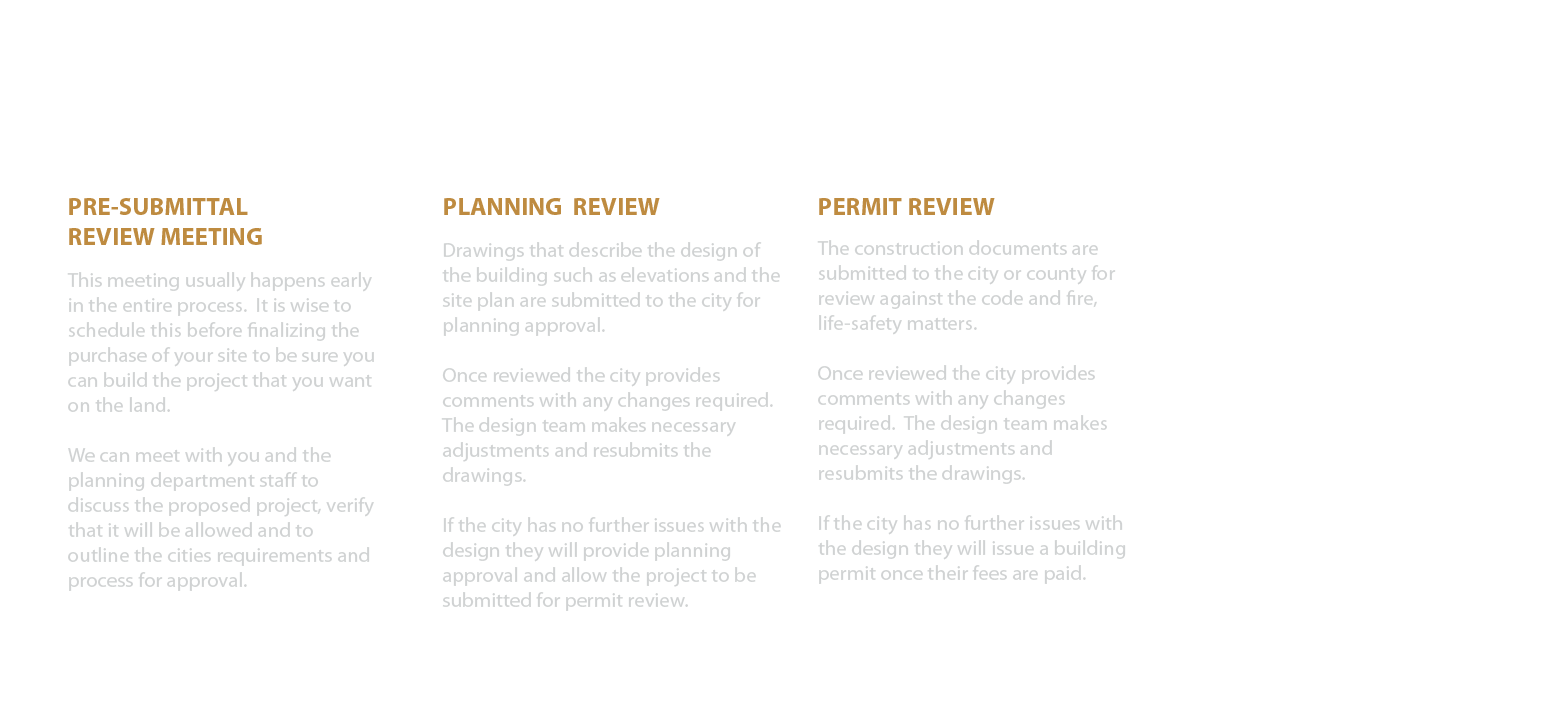
Typical approval process
Building Codes
The legal code requirements for each property and building type are increadibly complex and can be quite different depending on the project location. The code that applies to your project is a collection of all of the jurisdictional requirements that apply to your project beginning with overall federal requirements and working into the details at the city and neighborhood level.
In addition to this complexity, Building officials, Plans reviewers, City Inspectors, Planners, and other key players in various jurisdictional positions all have their own interpretations of what the various code requirements are. Navigating the process of obtaining the proper approvals can be a difficult journey. It takes a lot of experience and skill to get this done well.
An experienced architect is expert at discovering and is very familiar with the various requirements of the building codes that will apply to your project. We are experienced working with the various officials to satisfy the requirements of your projects.
hire a contractor
An architect can assist you in the challenging process of finding and hiring a contractor for your project. We won’t make the selection for you but we can help walk you through the pros and cons of the different contract types, inform you of the pitfalls that may exist among different strategies, help you compare bids, and assist where we can.
You have quite a few options for deciding when to bring a contractor on board and how you will select them. Finding the proper fit depends on your project goals, level of experience, and other factors that should be considered when choosing a path forward to avoid costly pitfalls and headaches that could arrise from selecting a process that is not a good fit.
manage construction
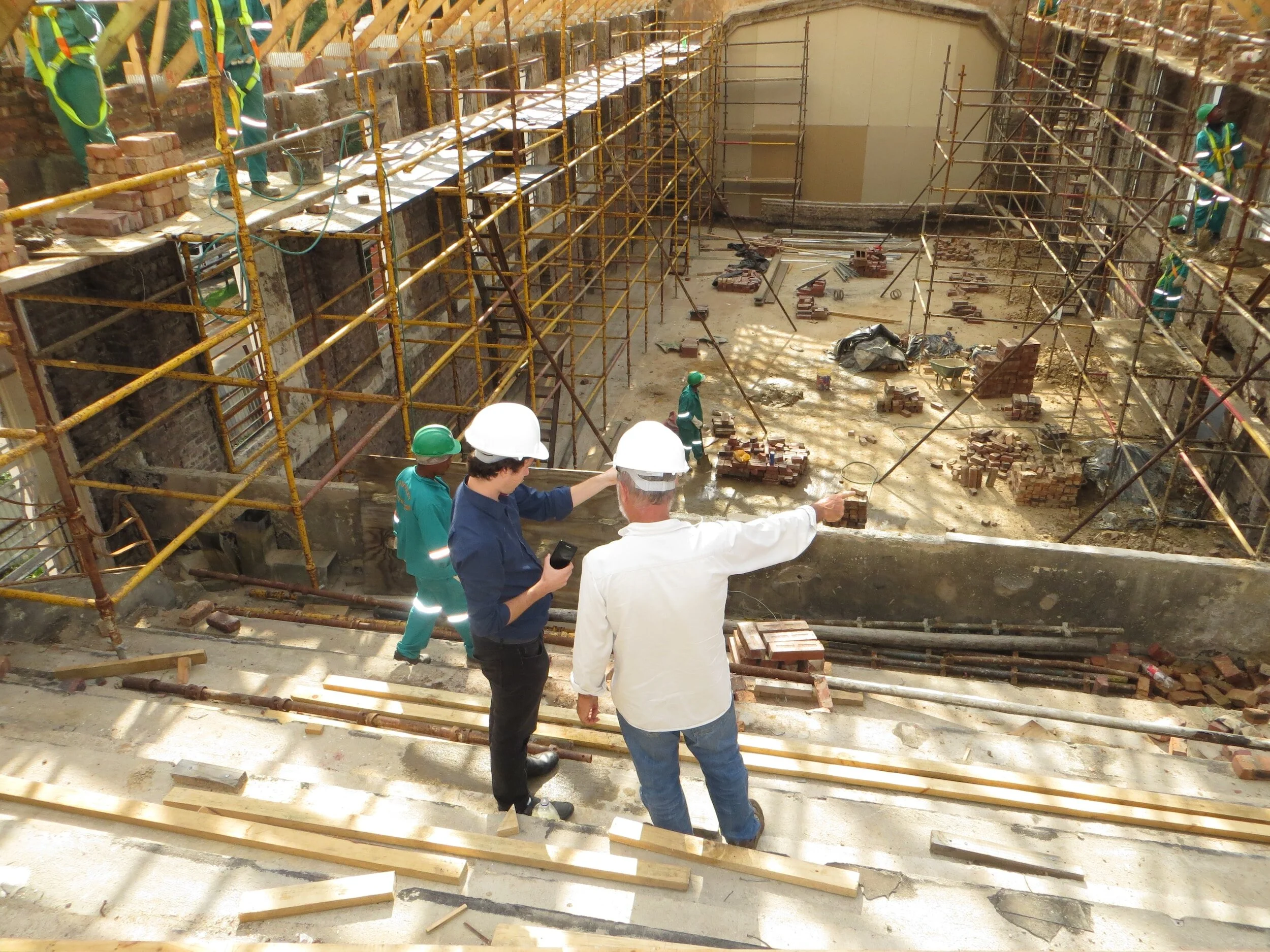
There is a lot to manage during the construction of a project and architects are trained to provide valuable services to an owner ensuring they receive the quality of building they were promised when the contractor gave their price.
Responding to questions that the contractor has about the design and working through any design issues that arrise.
Review of product submittals helps ensure that the intended quality of products meets the design requirements before installation. This helps an owner get the quality they were promised aids in avoiding corrections of incorrectly installed product that can derail a project schedule.
Overseeing any desired mockups of installation ensuring the quality of installation before an element is executed throughout the project.
Site visits to ensure construction is meeting the intention of the design and adhearing to the documentation.
Owner, Architect, Contractor (OAC) meetings to discuss critical path items and identify any challenges to work through that may be on the horizon to keep construction on schedule.
Payment application reviews. This is often time required by the financing copany to have an architects review and aproval to ensure that they are only paying for work that is in place.

project finalization
As the contractor nears the completion of a project there are a number of items that will need to be finalized in order to be ready to turn the building over, close out construction financing, and put systems and processes in place for the future operation of the building.
Punch Listing
Once the contractor has reported that work is substantially complete, the architect will walk to project and note any unfinished items, unacceptable work, or items that remain or are missing from the design. The contractor will them take the list of remaining items and finish out the project along with any other items they know are needing to be complete.
Construction Closeout
It is common on most commercial projects for the architect to sign off on the completion of the project. The date established for substantial completion will usually trigger warranty periods of systems and products that have been installed throughout the building. During closeout the contractor will train the owner on the use of the new facility and all of it’s systems. Owners manuals for various products will be collected by the contractor and turned over to the owner as well.
Final Documentation
Some jurisdictions have requirements for final as built drawings of certain aspects of a project, additionally you as the owner may want to maintain certain documentation for your future use and management of your facility. The design team is capable of working with the contractor in producing this final documentation and assisting with the other project closeout requirements of a given project. It is best to establish at the beginning of a project what the final documentation of a project needs to be so that we can work towards this end as we go along.
Warranty Walk
Typical construction contracts will include a one year warranty on the construction of the new building. Your contract will outline the conditions and timeframe of warranted work but often the contractor is required to take care of any issues that may arise with the new construction due to defects in the construction or missing work within a 1 year period of the building being completed. This one year period may not be the limit of your right to make a claim for unfinished work but it is typical that a date be set for the owner to walk the project before the one year mark to be certain everything is holding up as expected and there isn’t anything missing that should have been there. An architect can be invited along to keep an eye out for items on this walk if desired.