
Services
Services we offer:
Pre Design
Fundraising Concepts
Site Analysis + Selection
Zoning Analysis
Existing Building Survey
Feasibility Studies
Master Planning
Programming + Space Planning
Design Phase Services
Basic Services
Design + Documentation
LEED Qualification
Construction
Contractor Selection Assistance
Construction Observation
Other
Graphics + Visualizations | Revit + BIM Consulting | Technology Training | Creative Collaboration | Etc
While we offer traditional design services, we are always looking for new and innovative ways to help out or to collaborate on new opportunities that can utilize our skills.
Post Construction
Post-Occupancy Evaluation
Building Mgmt + Maintenance Planning
Tenant Improvements
Sustainability Consulting
Design Auditing
Continue scrolling for a more detailed description of each of our services and the benefits they provide. Otherwise feel free to reach out to get started on your next project.

Pre Design Services
Fundraising Concepts
Architectural concepts and renderings can be produced to help illustrate the possibilities of a given site in order to build the excitement around a project that is necessary to raise the funds that will make it a reality.
Feasibility Studies
We can provide a preliminary feasibility study to help you understand the needs of your project and what it might cost to bring it into reality. This will help you make informed decisions before spending money for the full design of a building that may not make financial sense.
Master Planning
If your project includes land that will ultimately house multiple buildings and/or project types we can help you design a Master Plan that will lay out the overall uses of the land and how it might best come together to maximize your use of the available resources.
Site Analysis + Selection
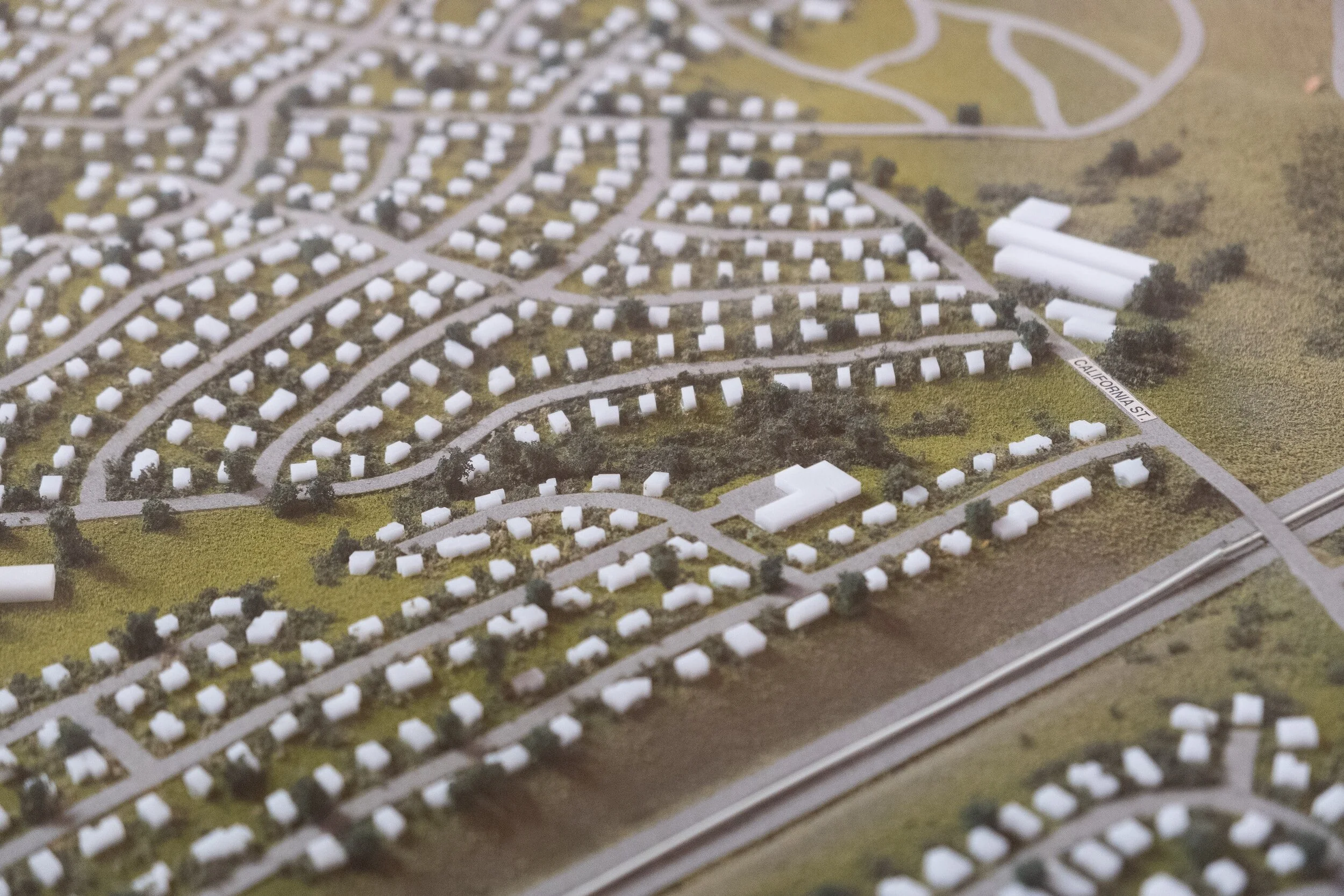
Every site is unique and has it’s own set of challenges and restrictions. We can help you understand what is possible to build on a given site or help you identify one that will work for the needs of your project
Zoning + Code Analysis
Every State, County, City, and sometimes even neighborhoods have differing requirements for what they will allow to be built on a given site. We are very familiar with the process of discovering jurisdictional requirements and fluent in the processes that are used to describe and enforce these requirements.
Programming + Space Planning
The first step in designing an actual building is understanding the spatial and functional needs of the project. A programming document may be as simple as few pages that outline spatial requirements and adjacencies or as complex as a 200+ page document that outlines the very specific needs of a project. These can include (but aren’t limited to):
Overall site considerations and factors that will affect the design
Site Location, Adjacencies & Orientation
Environmental Factors
Utility connection considerations
Geotechnical findings
Project Goals and Priorities
User Group Feedback Collection
Priority Structure
Identifying needs and wants
Building Performance
The number of and different types of rooms
Necessary square footage
Prefered adjacencies
Power, Data, Mechanical and other requirements
Feasibility Study
Construction Cost Estimating
It can be advantageous to hire these services separately and in advance of hiring basic services so that a realistic construction budget can be established committing to and paying for the full scope of architectural services.
Design Phase Services
These are the services upon which typical architecture fees are established. You might anticipate spending anywhere from 5 to 15% of construction costs for a full range of these services depending on the size and complexity of a project. Some clients choose to limit the scope of these services to cut down on design costs. We recommend against this as we have found that most projects that go this route end up spending more on the construction than was saved on our services but we can work with you to find a balance that is right for your project. Pre-design and Post Construction services are typically calculated separately.
Design + Documentation
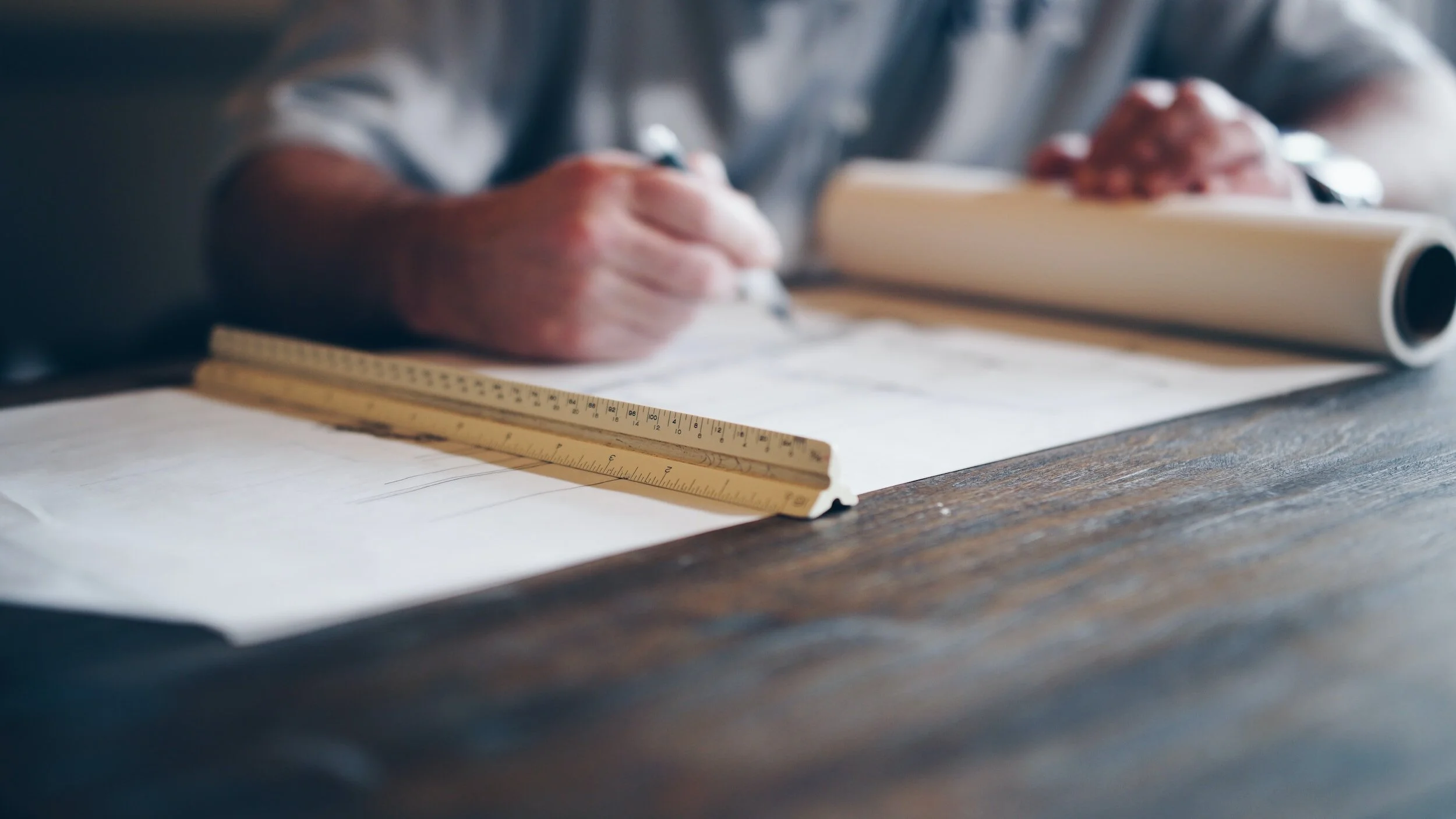
These are the typical services that are required to establish a design and produce the drawings and documentation that are required to obtain a building permit and describe to the contractor how to execute the project in the real world. There are 3 phases described here that are typically required to bring about this work.
Schematic Design (SD)
This is the fun, creative part of the process where the overall form of the building takes shape and we start to understand what the look and feel of things might be. We will generate Schematic concepts to review with you to select the ultimate direction that your project will take.
Design Development (DD)
In this phase we do as the name suggests and really develop the design. Floor plan layouts for individual spaces become solidified, Actual materials, products and details are decided on that will affect the design and we get things ready to move into the documentation phase of the project. We will continue to generate design options for your consideration through this phase in order to help you make decisions for your project as things come together.
Construction Documents (CD)
This part of the process is all about writting and drawings the instructions necessary to describe the design of the project so that it can be built in the real world. Any remaining design decisions must be addressed so that the drawings and details can be finalized for the project.

LEED Qualification
Leadership in Energy and Environmental Design (LEED) Qualification is an established certification program that is designed to help you or your organization gain recognition for your efforts to do your part in building a sustainable project. If this is something you desire for your project we stand ready to provide these services as well.
Construction Services
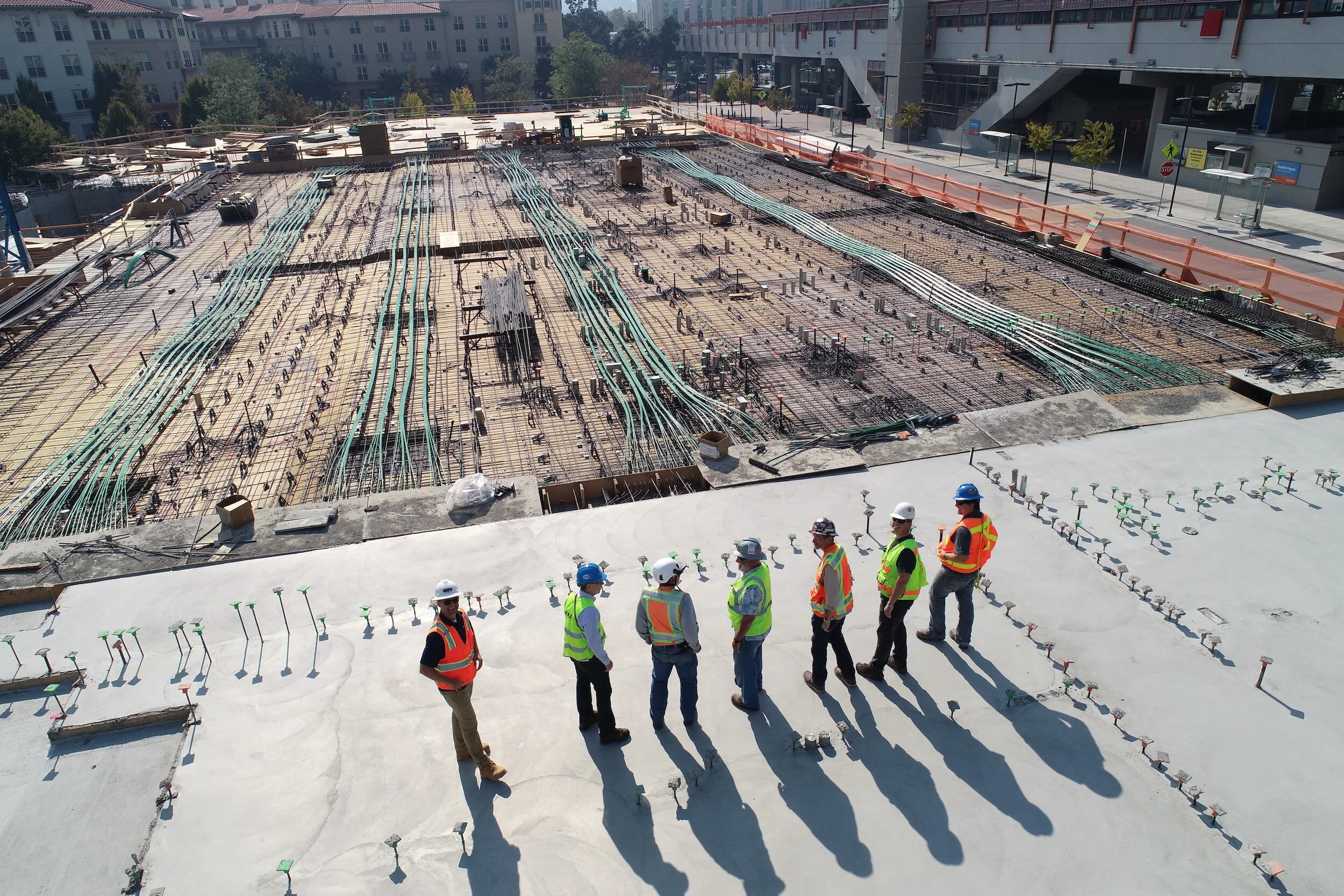
Many assume that the design of a building is complete once a building permit is obtained but for a whole host of reasons this is not actually the case. An architect offers valuable services to assist you through the complications of the construction process. The 4th phase of architectural basic services is the architects involvement during construction. This phase is known as Construction Observation or Construction Administration (CA) and our services during this phase may include the following:
Contractor Selection Assistance
Comparing bids for construction can be tricky. We can help you identify potential pitfalls in pricing and gaps in scope in the bids to help you better compare your contractors, rather than trusting that you are getting the same scope of services from each contractor for the price they are proposing.
OAC Meetings
Owner, Architect, Contractor (OAC) meetings can be a regular part of construction to work through issues, help maintain the project schedule, and keep everyone working toward the intended design with the quality that was specified.
Site Visits
Having your architect visit the site throughout construction ensures that the design is following the documents as things move along. We watch for for anything that may be out of place from the intention of the design as construction progresses, along with observing the status of construction and how things are progressing.

Design Updates through ASI’s
An ASI (Architect’s Supplemental Instruction) is a tool that can be used during construction to make changes to the scope of the project that may or may not affect pricing. We would issue an ASI only upon direction from the owner.
Change Order Review
RFI responses, ASI’s, Owner requested design changes, and discovered site conditions as construction begins are all areas that may warrant a Change Order from the contractor. This is an unavoidable part of the construction process that we try to limit as much as possible. We will also review the change orders to ensure that they are reasonable for any changes that have been requested for the project.
RFI Responses
A Request For Information (RFI) is a documented process for when a contractor has a question about the design. RFI’s are a part of every project and we stand ready to work through any issue that arises.
Submittal Review
The contractor should submit cut sheets, shop drawings, and evidence of products and equipment to provide evidence of the quality and selections of the design. We will review these submittals to ensure that the contractor is using the products that where documented when they bid the project or that have been directed since.
Payment Application Review
Often the financing groups funding a project will require an architectural review of the contractor payment applications. After a site visit, the architect reviews the payment application to ensure the contractor is only being paid for work that has been accomplished. Whether required by your financing group or not, this service can help you ensure that funds are only going out for work that has been completed.
Punchlisting & Project Closeout
As the contractors are completing construction, we visit the project to ensure that finish work has been installed to an acceptable standard and according to the design. We will mark any elements that are not up to standard and generate a report for the contractor of all of the items that need to be addressed. We can also perform a follow up punchlist walk to ensure that all elements of concern have been addressed.
We can assist with other closeout processes for a project such as reviewing the project for substantial completion. Additionally, we will attend a warranty walk with the owner and contractor that is scheduled just inside of 1 year from substantial completion. This last review of the project ensures that there is not any installed work that has not held up for the first year of the project, and organizes any items that need to be addressed.
Post Construction
Post Occupancy Evaluation
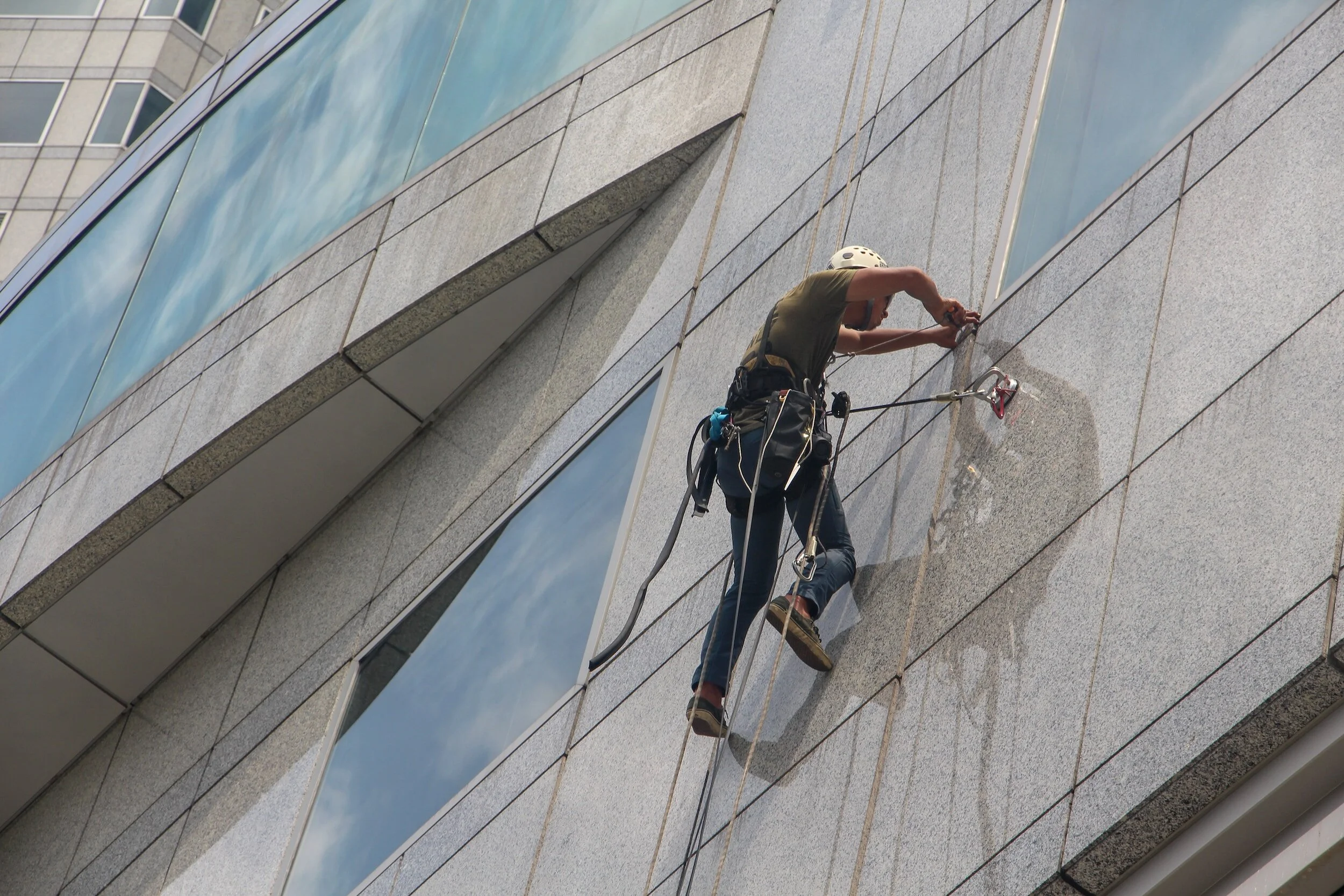
A post occupancy evaluation is a study of the building and its systems after it is complete. It defines what is working well and what could be improved on future designs. If this is something you are interested in engaging with us in please let us know. For clients with multiple projects over an extended period of time, this can have direct benefit.
Building Mgmt + Maintenance Planning
An architect’s organizational skills and spatial understanding can help in the establishment of a Building Management and Maintenance plan. Additionally, Building Information Modeling (BIM) can be a powerful tool to help your facility in this regard, but a program like Revit can be a little tricky to wield at first. We can provide training, knowledge, or even services to help you keep up to speed with things on this front to make the most out of the technologies available to you.
Tenant Improvements
If your project includes tenant spaces that are to be built out upon lease, we are ready to offer those design services as well.
Bldg Performance or Sustainability Consulting
While we do our best to estimate building performance and sustainability of the project during the design phase, to truly maximize performance, adjustments may need to be analyzed and adjusted in the real world. Or maybe there were elements of the design that you didn’t seem as important to you until the building was complete. Whatever the reasons, we are happy to discuss what our involvement may look like in helping you improve the performance of your building after it is complete.
Design Auditing
A design audit has more to do with the experience of a building than its performance. This process is one of collecting feedback from the day to day users of the facility to understand what is working and what could be better. As much as we all think things work on paper, you never really know until the space is in use where the pain points are. We can help you understand elements that could be adjusted to make improvements.