Your Roadmap to a Successful Home Renovation
This post was originally written by Marin Smith not too long after she completed her personal home renovation project. As part of the lanch of our new website we are reposting this content for those who are interested in her process.
Remodeling 101
Wow. What a few months we’ve all been through. With all of the health and economic uncertainty no one is really sure of what the future will bring. Maybe in your pre-covid mind you were planning to build a new home, start somewhere fresh and make a dream happen. With all the economic uncertainty right now, things might have changed for your outlook and remodeling where you are at is the route to go. Remodeling actually has quite a few perks, but we’ll go into that later. Where to start with a remodeling project? We all have been in the shoes of wanting to get a project done and not knowing completely where to start, especially when we can’t do it without some experienced advice and help from others. The building process and remodeling in particular is one of those things that isn’t on the average everyday to-do list and sometimes needs some guidance on how to do it. We’ve been through the process a time or two - here are some thoughts to get you on your way to the project of your dreams.
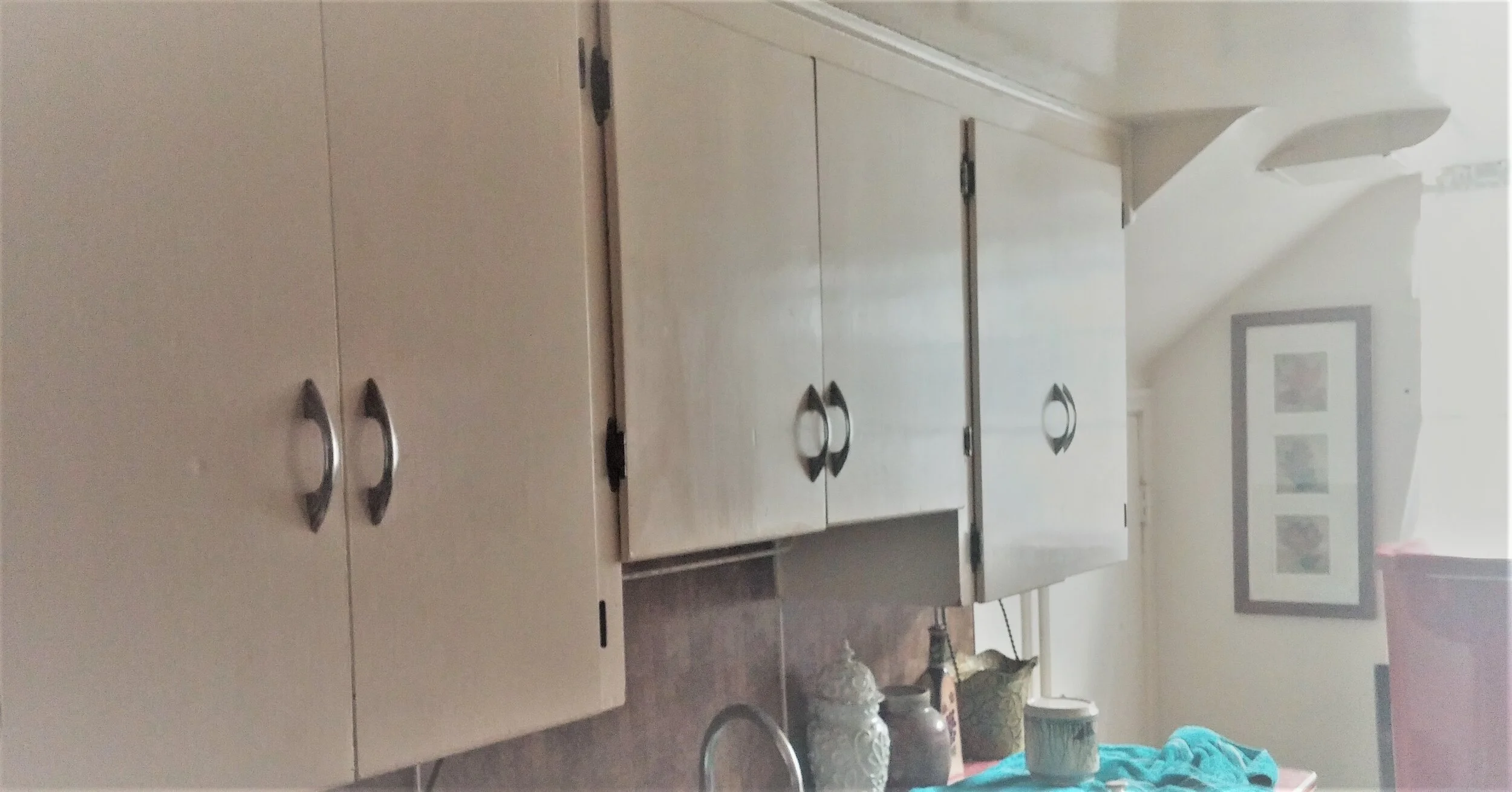
First, Why Remodel?
We wholeheartedly believe that the character of where you spend your time has a huge impact on your overall outlook on life. Making your home yours, and specifically how you want it to be and feel has benefits that go beyond the physical walls that make your home.
While there are some obvious huge design benefits to starting with a fresh piece of soil and designing with the sky as the limit, there are also some pretty great perks to staying put and working on your current home. First you know what you are dealing with. With the exception of a few unknowns that are buried behind walls, you generally know what is going on within your own home. That isn’t always the case when you start with a new property or location.
Second, a big benefit can be your neighborhood. That is, if you like your current neighbors. Moving to a new neighborhood is like jumping into a relatively confined fishbowl and hoping you like the other fish. If you like your current fellow fish, consider staying for a while. Third, real estate transaction costs can add up quickly. By the time your current home is sold and the new home truly becomes yours, tens of thousands of dollars have been spent in real estate transaction fees, often up to 20% of more of the value of your current home will be lost. Remodeling something you already own is a way to get the most out of your equity dollars. Fourth, custom design can be yours. Custom design begins when there are dreams and vision - something that you are envisioning that can certainly be a reality. Dare to dream and work to make it yours. There are certainly upgrades that cost more than other updates. While there are endless possibilities and improvements that can be made, the reality of time of money will help define what is reasonable and what can wait. If you’re in the dark on how far your budget will get you, it’s a smart idea to tap into the experience of an architect or contractor to get a ballpark of what you are looking at.
Defining and Staying within your Budget, Time Allowance and Project Scope.
Remodels are notorious for being that "thing" that never stops growing. A simple addition, in our experience, too often unintentionally balloons from a small one room addition remodel into a project that alters literally every room of the house. We have seen first hand how a project that started as a small bathroom remodel and rather quickly turned into a complete reconstruction and addition to the house. In effect, this increases not only the scope of the project (which isn't always a negative thing) but it also increases the time and cost of the project. The trick is to draw a line in the sand early in the project and stick to your guns when the limits have been reached unless you can easily fudge your budget and time constraints. An increase in project size and complexity will always result in more time and more money. The money discussion is one of the hardest discussions of the entire process, but it is one of the most critical. Have it early and often with all of your project team.
Just as a heads up - your project’s construction process will inevitably take longer than HGTV’s construction timeline. There are always not-so-fun unforeseen conditions that will pop up in the project, usually in the demolition phase, that need to be addressed for the project; a leaky pipe or improper electrical wiring, the list can go on and on. Sadly, not all the money in the budget will go to the fun things. Normally the bones of a house are good, but if they aren’t good you have to fix them before you start picking out that awesome floor tile.
Existing Drawings - Launching from the Drawing Board
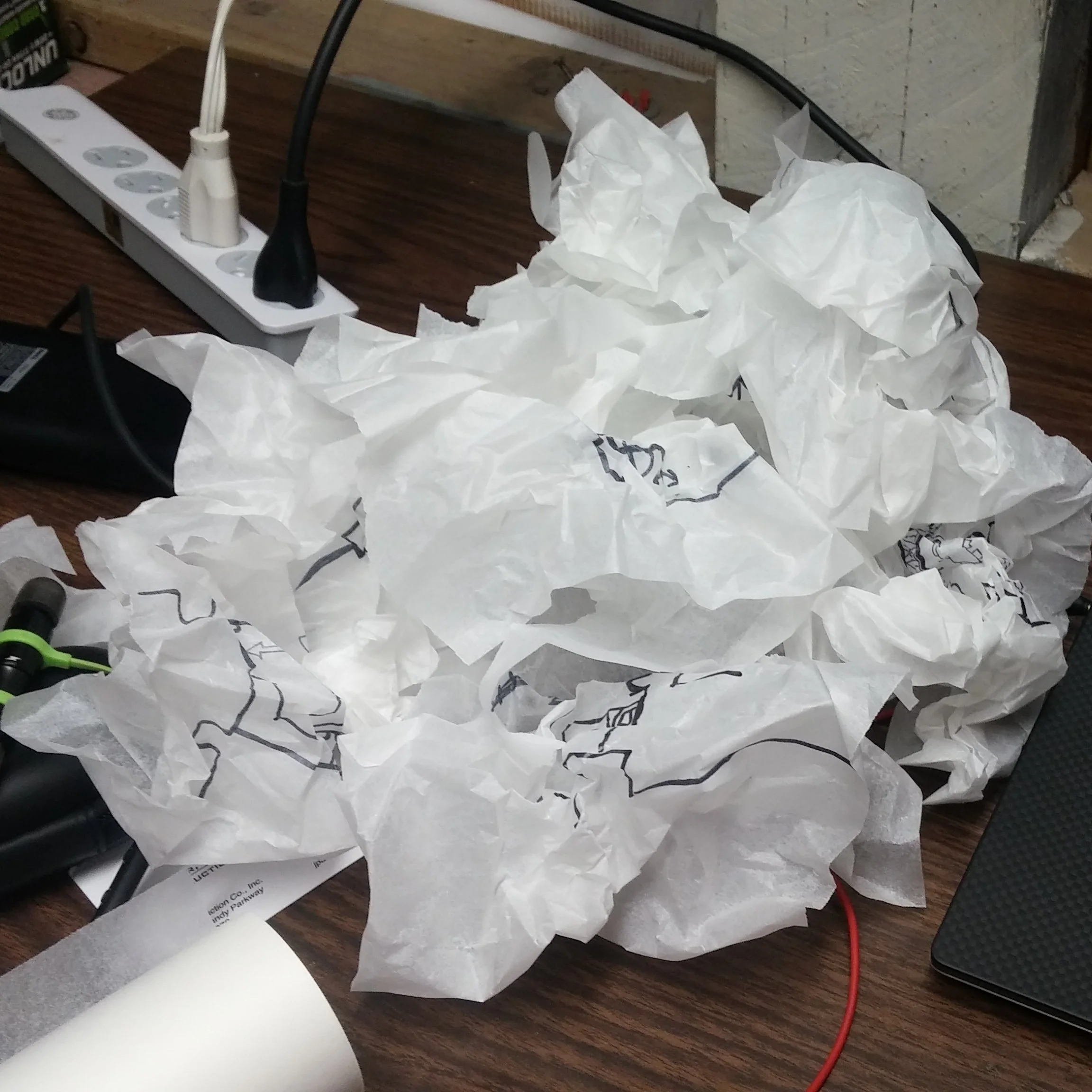
Simply because things can’t be redrawn before they are first drawn, it is important to get some existing walls, windows, roofs, HVAC systems etc. drawn out. Then the redrawing process can begin. Drawing, redrawing, and then redrawing some more is kind of our jam. At least we think it is much better than building, rebuilding, and rebuilding so that’s why we redraw and redraw. We love getting a fresh piece of trace paper out to glean the great parts of a previous iteration and refine the not so great parts into polished projects. Design ideas and iterations evolve, offering the project a refined set of drawings. The design process is in no way done without your help - it requires collaboration in which the architect and owner work together to achieve great design tailored to the wants and needs of the owner. The design process is something we love to engage with and we hope that you do too. By the end of the process we hope to have solidified and drawn what you truly want and give you a set of drawings that will guide the rest of the project. Once ideas are on the paper we get ideas worked out and documented to get things off the ground.
Building Permit Drawings
Drawings are pretty close to being done. Now to build, right? Not quite…. The city, or Authority Having Jurisdiction (AHJ) in architect lingo, will likely need to look at and approve your plans. Thus begins the process of getting permits from the local government for your project. If you’re unsure if your project will need a permit drawing, the most likely answer is yes. This has a lot to do with life safety - like avoiding building collapses, electrical catastrophes and house fires. So really, it’s a good thing. Not always convenient, but it’s for the best. If you’re not sure what is required, contact the city or county that has jurisdiction where you live and they will have information for you. Most jurisdictions have all this information online.
Construction Drawings
Construction Drawings are simply what they sound like: drawings that take the project through construction. Depending on the customization of design these drawings will typically include types and locations for all the basics: walls, doors, windows, roofs, and floors. More in-depth design and not-so run of the mill projects will include detailed drawings of how things should be constructed to create the custom perfection. In addition to working out the logistics of the building, an architect can also help you choose and document floor finishes, wall colors and cabinet layouts. The goal is, when all is said and done, to have a substantial set of plans that will direct the project from design into completion.
Construction Observation
Finally, construction. The changes will take shape before your eyes (or your hands, if you’re doing a bit of the work yourself). Maybe we’re crazy, but we get some pretty great thrills when we get to see what we designed take shape. We hope that you do too.
A note about the architect’s involvement beyond the design phase - there are sure to be questions while things are being built. Things happen. Materials are unavailable, a better product hits the market, a wall doesn’t line up properly with where it was intended to, or drawings don’t have all the information that they need. Things just happen. We would still love to be a help in the process. In most projects we feel it is important to have the architect come to the site periodically to observe progress - not to police work, but to spot where potential discrepancies are with the design early in the construction. Trust us, we’ve seen a bit of money go down the tube because mistakes were not caught early in the building process. When the inevitable questions arise (and in our opinion they always will) it is the easiest and best to have the architect on board to answer questions and research situations.
Project Completion
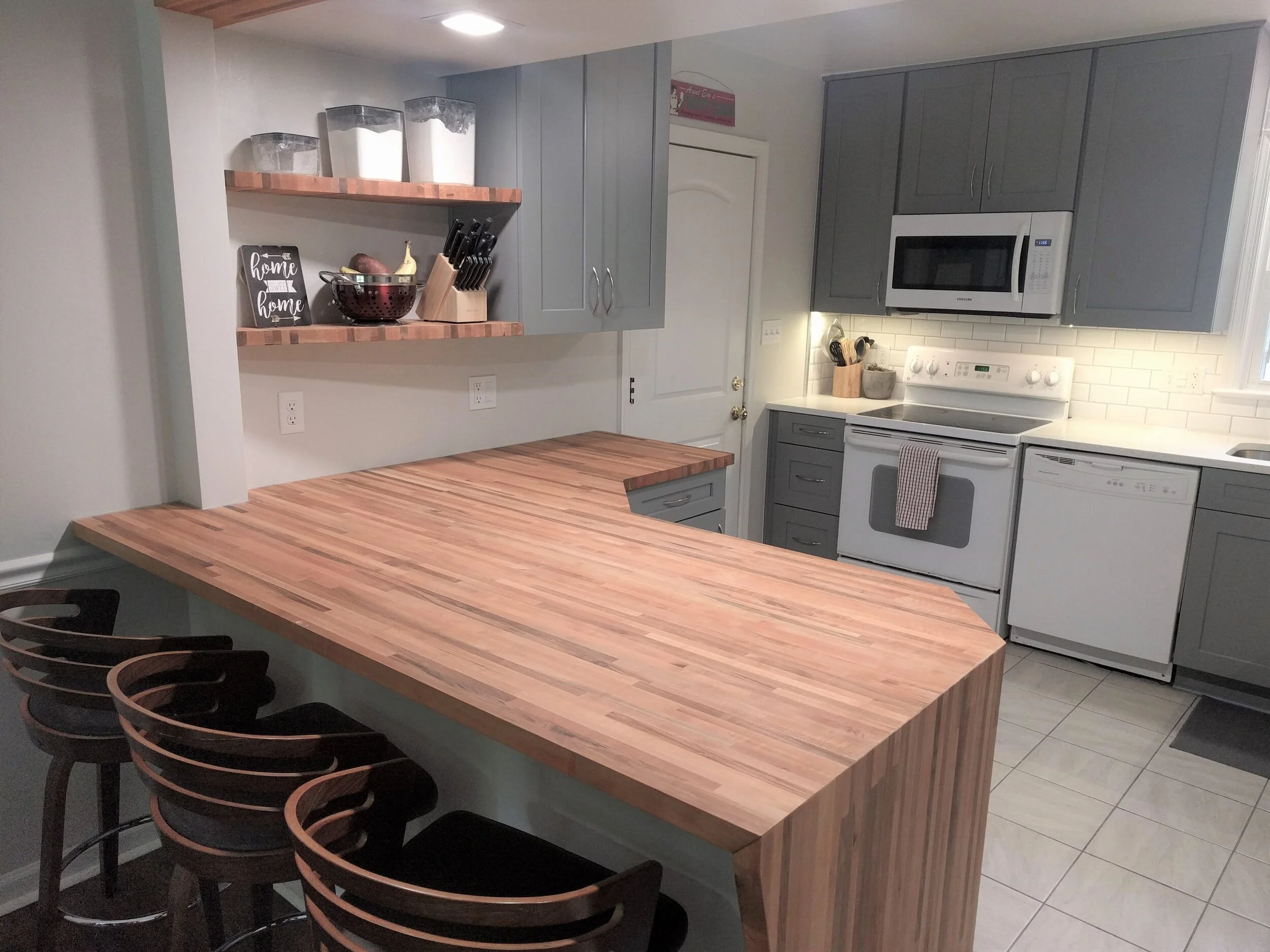
By the time that everything is done and the dust is swept away we hope that you have had a satisfying experience - not only in the finished project but also with your journey along the way. To make sure that things are buttoned up it is helpful if you do a final check, sometimes called a punchlist to ensure that everything is as it should be at project completion.
With everything being done, it is time to enjoy that new vibe that comes with the project you have completed. The joy of designing and constructing something just how you want it to be is pretty satisfying, at least in our opinion. Sit back and relax.