Do I need an Architect?
Maybe you landed here because you've got a construction project in mind. Whether it's a new investment property, your dream home, or even constructing a cool new office for your startup, it’s exciting. But then comes the big question: “Do I need an architect?” It's a valid question, and one that a lot of people grapple with. So, let us help you break it down.
We often think of an architect as someone who builds grand, inventive buildings that push design. And yes, that is something that many architects enjoy. However, architects go beyond just design to ensuring that each space in the design is functional and efficient for its purpose. They take your ideas and turn them into tangible, buildable plans. Here are a few other things that an architect does that you may want to consider when deciding whether or not to use an architect. These are everyday tasks of an architect that may save you a lot of time and heartache.

Navigating Regulations: The world of building codes and regulations can be a labyrinth of red tape. Architects are like seasoned guides who know the ins and outs of the process. They'll help you navigate the maze of permits, zoning laws, and building codes, ensuring that your project is up to snuff and on the right side of the law.
Attention to Detail: From the placement of windows to the angle of a staircase, every little detail matters. Architects have a keen eye for detail and will sweat the small stuff so you don't have to.
Value for Money: Hiring an architect might seem like an added expense upfront, but it's money well spent. A well-designed building not only looks better but also functions better, potentially saving you a boatload of cash in the long run. Plus, a thoughtfully designed space can increase property value, making it a smart investment in the grand scheme of things.
Project Management: Building or renovating a property is a bit like orchestrating a symphony. There are a ton of moving parts, from contractors and subcontractors to suppliers and inspectors. Architects are like the conductors of this symphony, keeping everyone on track and ensuring that the project stays on time and on budget.
Now, do you need one? Well, it depends. If you're planning something small-scale, like adding a deck or remodeling your kitchen, you might be able to get away without hiring an architect. But if you're tackling something more complex, like building a custom home from scratch or undertaking a major commercial project, having an architect on board is a great option. While many assume that architects are reserved for grandiose projects or wealthy clients, the reality is that a diverse range of individuals and organizations can benefit from their expertise. Let’s look at the following situations where having an architect could be paramount to a project's success:
1. Homeowners with a Vision
2. Realizing Commercial Aspirations
3. Community Developers and Planners
4. Educational Institutions and Campus Design
5. Healthcare Facilities and Healing Environments
6. Nonprofit Organizations and Community Centers
7. Government Projects and Public Spaces
8. Historic Preservation and Restoration
9. Investors and Property Developers
10. Individuals with Specialized Needs
1. Homeowners with a Vision
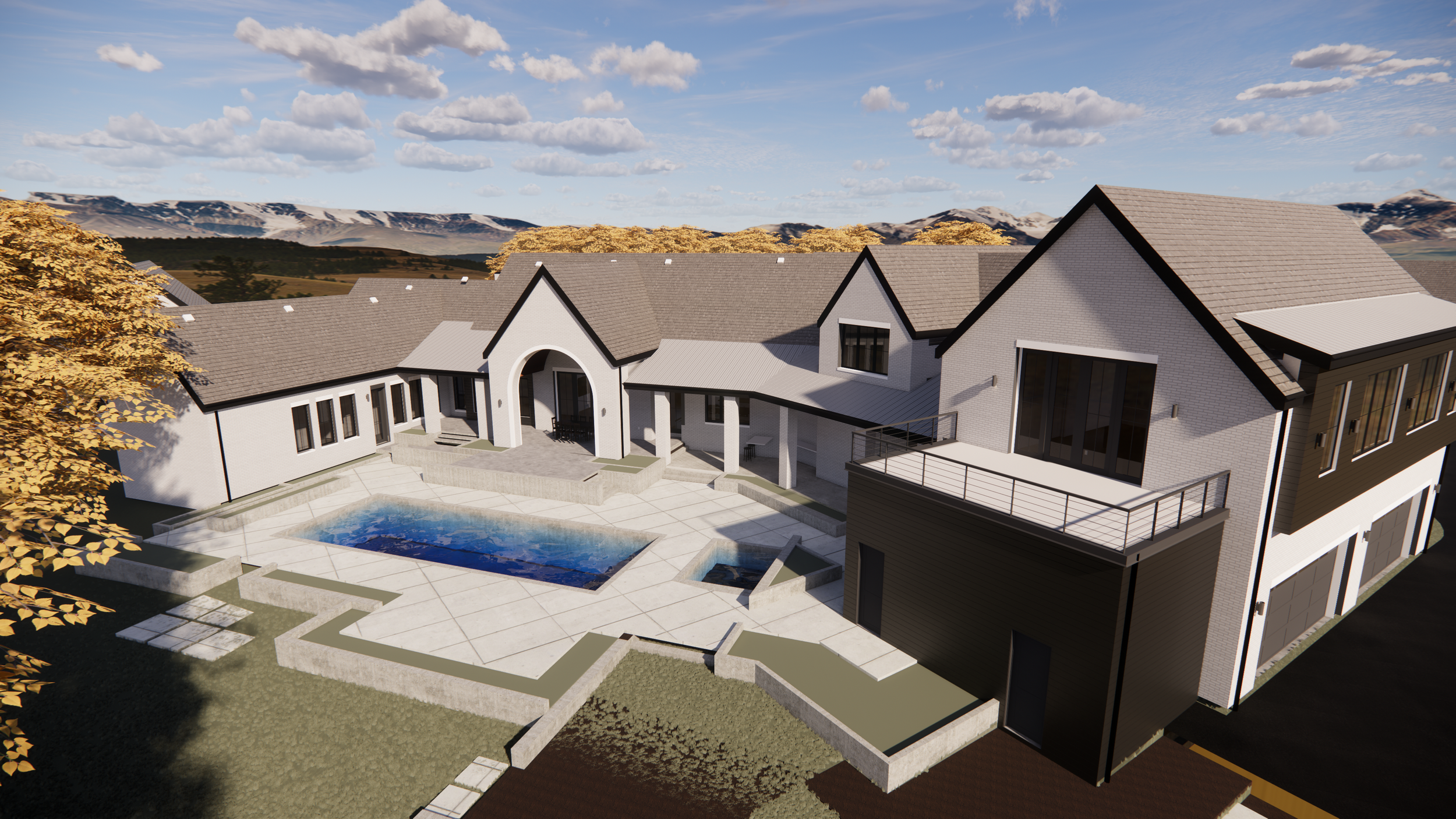
Homeowners with a unique vision or specific design requirements often turn to architects to ensure their ideas are not only visually stunning but also practical and feasible.
Architects can assist in space planning, interior design, and the integration of innovative features that elevate a home from ordinary to extraordinary. Whether it's a custom-built home or a renovation project, architects bring a level of expertise that enhances the overall quality and functionality of the living space. Plus, they've got a knack for thinking outside the box and coming up with creative solutions to design challenges you might not even know existed.
2. Realizing Commercial Aspirations
Entrepreneurs and business owners looking to establish or renovate commercial spaces also benefit significantly from the expertise of architects. Whether it's a retail store, office space, or restaurant, architects contribute to creating environments that align with the brand identity and enhance the customer or employee experience.
Architects not only focus on the aesthetic appeal of commercial spaces but also consider practical aspects such as workflow optimization, accessibility, and compliance with building codes. Their ability to balance creativity with functionality ensures that commercial spaces are not only visually striking but also conducive to the intended purpose.
3. Community Developers and Planners
Architects play a crucial role in shaping communities. From urban planning to suburban development, architects collaborate with city planners and developers to design spaces that are not only visually appealing but also sustainable, accessible, and socially inclusive.
In community development projects, architects consider the long-term impact of their designs on the environment and residents. They strive to create spaces that foster a sense of community, promote connectivity, and contribute to the overall well-being of the people who inhabit those spaces.
4. Educational Institutions and Campus Design
Schools, colleges, and universities require specialized architectural expertise to create learning environments that inspire and facilitate education. These architects focus on designing functional and innovative spaces that accommodate diverse learning styles, promote collaboration, and enhance the overall educational experience.
From classroom design to the layout of campus buildings, architects help create an environment that supports the institution's educational goals. They also address considerations such as safety, accessibility, and the efficient use of space to ensure the facilities meet the needs of both students and educators.
5. Healthcare Facilities and Healing Environments
Architects who design healthcare facilities aim to create healing environments that prioritize patient well-being and streamline medical processes. In hospitals, clinics, and medical offices, architects work closely with healthcare professionals to design spaces that enhance patient care, improve workflow efficiency, and comply with stringent health and safety standards.
The design of healthcare facilities involves considerations such as infection control, accessibility for patients with diverse needs, and the integration of cutting-edge medical technology.
6. Nonprofit Organizations and Community Centers
Nonprofit organizations and community centers often operate on limited budgets, making the role of an architect even more crucial. Architects working with these entities bring a unique set of skills to the table, balancing cost-effectiveness with creative solutions to address the specific needs of the community.
Whether it's designing a community center, a shelter, or a facility for a nonprofit organization, architects can maximize the impact of limited resources. Their ability to prioritize key functionalities, consider sustainability, and create spaces that serve the community's unique requirements makes them valuable partners for nonprofit projects.
7. Government Projects and Public Spaces
Government projects, from city infrastructure to public parks, require the expertise of architects to ensure they meet the needs of the public while adhering to regulatory standards. Architects working on government projects contribute to the design of public spaces that are not only functional but also aesthetically pleasing and reflective of the community's identity.
These architects collaborate with government officials, urban planners, and engineers to create designs that align with the city's vision and promote the well-being of its residents. Whether it's the construction of public buildings, transportation hubs, or recreational areas, architects bring a holistic approach to government projects.
8. Historic Preservation and Restoration
Preserving the architectural heritage of historic buildings requires a delicate balance between conservation and adaptation to modern needs. Architects specializing in historic preservation and restoration play a pivotal role in maintaining the integrity of culturally significant structures.
Their expertise is essential in assessing the condition of historic buildings, developing restoration plans, and ensuring that the restoration process complies with preservation guidelines. Architects in this field work to breathe new life into historic structures while preserving the unique characteristics that contribute to their cultural and historical significance.
9. Investors and Property Developers
Investors and property developers seeking to maximize the value of their real estate investments often engage architects to enhance the appeal and functionality of their projects. Architects collaborate with developers to design residential or commercial properties that stand out in the market, attracting potential buyers or tenants.
In this context, architects contribute to creating projects that align with market trends, comply with zoning regulations, and offer innovative features that set them apart. Their involvement can add significant value to a development, both in terms of aesthetics and overall marketability.
10. Individuals with Specialized Needs
Architects also play a crucial role in designing spaces that cater to individuals with specialized needs. This includes accessible housing for individuals with disabilities, facilities for the elderly, and spaces that accommodate diverse cultural or religious requirements.
Architects create designs that ensure spaces are inclusive, accommodating the needs of people with different abilities and backgrounds. Their expertise contributes to creating environments that are not only functional but also promote inclusivity and diversity.
Conclusion
While you might be tempted to go it alone and wing it, hiring an architect is the smart move for any major construction project. The need for an architect extends across a wide spectrum of individuals, organizations, and projects. From homeowners to community developers, educational institutions, and investors, architects bring a wealth of expertise that goes beyond creating visually appealing structures. Their role encompasses strategic planning, functionality optimization, and the integration of innovative solutions that elevate projects to new heights.
Do your research, ask around for recommendations, and meet with a few architects to see if they're the right fit for your project. You won't regret it. After all, when it comes to building your dream space, why settle for anything less than extraordinary?